The Ultimate Guide to Prevent Sexually Transmitted Infections (STIs)
Every year millions of people face infections that travel between partners during sex. To prevent STIs is to protect health, relationships, and communities through clear steps people can follow now. This guide covers practical prevention tips, testing, treatment basics, common myths, and resources designed for readers who want straightforward, reliable information about sexual health.
Understanding STIs
A sexually transmitted infection (STI) is any infection passed predominantly through sexual contact. STIs include bacterial, viral, and parasitic agents that affect the genitals, mouth, throat, or bloodstream.

“STI” names the infection stage; “STD” — sexually transmitted disease — describes the symptoms or damage that may follow. Many infections are asymptomatic but still infectious.
Common types of STIs: Major categories and examples
Bacterial: chlamydia, gonorrhea, syphilis.
Viral: human papillomavirus (HPV), herpes simplex virus (HSV), HIV, hepatitis B.
Parasitic: trichomoniasis.
How STIs spread: Transmission paths
Vaginal, anal, or oral sex.
Skin-to-skin contact (important for HPV and herpes).
Blood (shared needles, transfusions in rare cases).
Mother-to-child during pregnancy or birth.
How Common Are STIs?
More than one million curable STI cases are acquired every day around the world; in 2020 an estimated 374 million new infections were reported for the four most common curable STIs.
In the United States, 2023 surveillance data reported over 2.4 million combined cases of chlamydia, gonorrhea, and syphilis. Of these, approximately 1.6 million were chlamydia, 600,000 were gonorrhea, and 209,000 were syphilis.
These high numbers reflect both asymptomatic spread and inconsistent access to testing. Rising cases can follow reduced screening, limited sexual health funding, stigma that blocks care, and concentrated risk in younger adults and communities with less access to services. In the United States, recent surveillance reported over 2.4 million cases of chlamydia, gonorrhea, and syphilis in a single year, underscoring the ongoing public-health challenge.
Common Risk Factors
Age (15–24 years at higher risk)
Multiple sexual partners
Unprotected sex or inconsistent barrier use
Substance use during sex
Lack of regular STI testing
Symptoms and When to Seek Medical Help
Bacterial: unusual discharge, burning during urination, pelvic pain.
Viral: painful blisters, genital warts, persistent fatigue (HIV, hepatitis).
Parasitic: itching, abnormal discharge.
Asymptomatic Cases and Why Screening Matters
Many infections show no early STI symptoms, so screening is essential even without signs. Incubation periods vary: some infections appear in days, others take weeks or months.
Seek testing after unprotected sex, when new partners are involved, or when STI symptoms appear. Early care reduces complications.
Proven Ways to Prevent STIs
Barrier protection methods (condoms, dental dams) — correct usage tips:
Always check expiry and integrity before use.
Use a new latex or polyurethane condom for every act of vaginal, anal, or oral sex.

For oral sex, use flavored condoms or dental dams. Consistent condom use greatly reduces risk for many STIs, though it does not fully prevent infections spread by skin-to-skin contact.
Vaccination (HPV vaccine, Hepatitis B) — who should get it, when, and effectiveness
HPV vaccine: Recommended for preteens and available up to early adulthood; reduces risk of cervical and other cancers caused by HPV.
Hepatitis B vaccine: Prevents a blood-borne viral infection that can cause chronic liver disease. Both vaccines are powerful tools to prevent STIs and related complications.
Monogamy and mutual testing — setting boundaries and agreements:
Agree on exclusivity and testing schedules.
Share recent STI testing results before resuming sex.
Re-test after breaks or new partners.
Abstinence and alternative sexual activities — risk hierarchy Non-penetrative activities lower risk. If sexual activity occurs, combine strategies: vaccination, barrier protection, and timely STI testing.
Avoid sex when intoxicated, limit anonymous encounters, and consider pre- or post-exposure options when applicable.
STI Testing and Screening to Prevent STIs
Annual screening for sexually active adults; more frequent (every 3–6 months) for those with multiple partners or known exposures.
Pregnant people receive routine screening to protect newborns.
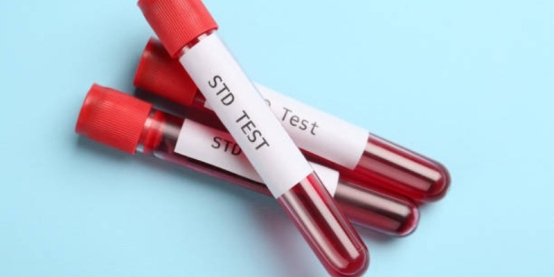
Many clinics, community centers, and home kits offer confidential testing. Typical tests include urine samples, swabs, and blood tests. Ask about privacy, costs, and follow-up care.
Free or low-cost options exist in many communities; inquire about sliding-scale fees and confidentiality policies before testing.
Talking to Your Partner About STIs
Begin with facts, express care, and propose testing together. Timing matters — discuss sexual health before becoming intimate.
Handling positive results with empathy and responsibility If a test is positive, avoid blame, follow treatment guidance, and notify recent partners so they can seek testing and treatment.
Myths vs. Facts About STIs
Toilet seats: Extremely unlikely to transmit STIs.
Only intercourse? False — skin-to-skin and oral sex can transmit infections.
Natural remedies cure STIs? No; bacterial STIs require antibiotics and viral STIs need medical management.
Can an STI be present for years? Yes — many remain asymptomatic for long periods.
Living With an STI
A diagnosis can be stressful. Support groups, counseling, and trusted providers help with coping and reducing stigma.
Follow treatment plans, use barrier methods, and avoid sex until a provider says it is safe.
Seek local clinics, national hotlines, and trusted organizations for guidance.
What To Do If You Think You’ve Been Exposed
Immediate steps
Stop sexual activity.
Schedule STI testing promptly.
Inform recent partners.
Follow any emergency prevention (for example, PEP for HIV when appropriate).
Some infections can be treated or prevented with timely medication; public health services often assist with confidential partner notification.
Next Steps to Prevent STIs
Regular testing, responsible condom use, vaccination (including the HPV vaccine), open partner communication, and informed decision-making form a practical plan to prevent STIs. Early screening for STI symptoms, routine STI testing, and following medical advice protect individual and community health.